

Home and Building Automation Design
Designed for Today. Structured for the Future.
Automation is most effective when it is planned as part of the property’s infrastructure rather than added as disconnected technology after construction. Thoughtful automation design aligns architecture, lighting, climate control, security, networking, audio, and operational systems into coordinated environments that support comfort, consistency, and long-term reliability across homes, hospitality spaces, and office environments. Instead of relying on constant interaction, automation allows systems to respond together based on occupancy behavior, time of day, daylight conditions, comfort needs, and property activity. The result is an environment where technology operates quietly in the background, helping spaces function more naturally while supporting long-term operational efficiency and system adaptability. Projects gain a clearer technical direction when automation architecture and infrastructure coordination begins alongside building design.
Automation Architecture for Modern Properties

Predictable Operation
No frustration. No tapping apps. No voice commands. Your automation system responds instantly, operating quietly in the background.

Integration Across Systems
Lighting, audio, climate, security, and access operate together automatically, reducing the need for constant control.

Load and Energy Coordination
Smart automation system design reduces energy waste from power, heating, and cooling.

Reduced Interface Dependence
Your environment responds automatically, reducing reliance on apps and screens while maintaining awareness and control.

Hybrid Infrastructure Options
Wireless flexibility with seamless integration and room for expansion, supporting automation retrofits during remodeling.

Documented System Architecture
Clear system documentation supports reliable installation, serviceability, and long-term system evolution.

Home Automation Plans and Design
Home Automation Plans and Design
Automation is most effective when it is planned as part of the property’s infrastructure rather than added after construction. Thoughtful home automation plans align architecture, wiring, and technology systems into a clear integration framework that supports lighting, security, audio, climate control, shading, and energy management. Audio and video systems are integrated into the overall automation strategy so entertainment, comfort, lighting, and security respond together instead of operating as separate layers.
This approach is supported by a curated selection of design and technology partners chosen for long-term reliability and integration depth. For example, when leaving the home, lighting, climate, shading, audio, and security adjust together automatically instead of being managed one system at a time.
For those at the early stage of discovery, an interactive, camera-guided showroom experience provides a way to explore how automation works in real spaces before planning begins, helping translate ideas into a clearer direction.
Each project begins with structured system planning and documentation that defines how technologies operate together throughout the home. This process supports consistency from design through long-term system operation. Detailed diagrams, automation logic, and system documentation help support reliable performance, future serviceability, and long-term system evolution.
The result is a home where technology quietly supports everyday living. Many functions respond automatically to time of day, occupancy, daylight conditions, comfort needs, and daily routines, allowing the home to function naturally without constant interaction. In daily use, this reduces repeated actions, minimizes app dependence, and removes the need to constantly adjust the home. The same planning principles extend to multi-unit residential properties, where automation architecture supports consistent comfort, operational efficiency, and long-term property value. Everyday functions operate with less manual management.


Hospitality Automation Design

Hospitality Automation Design
Hospitality automation is most effective when it is planned as part of the property’s operational infrastructure rather than added as disconnected technology after construction. Thoughtful hospitality automation design aligns architecture, guest experience goals, lighting, climate control, security, networking, access, audio, video, and operational systems into a coordinated environment that supports both guests and staff.
A hotel automation system allows multiple systems to operate as part of one unified property experience instead of requiring constant manual adjustment. Guest room automation supports predictable comfort by coordinating lighting, temperature, shading, occupancy response, room status, and time-of-day behavior. This approach creates coordinated guest environments that feel calm, intuitive, and consistent across rooms and shared spaces.
Automation behavior can support arrival scenes, evening transitions, occupancy-responsive climate adjustments, energy coordination between guest rooms and common areas, access control, restaurant atmosphere, amenity spaces, and simplified operational management for hospitality teams. Audio, video, access control, and comfort systems can also operate within the larger automation framework rather than functioning as independent layers.
Each hospitality project begins with structured system planning and documentation that defines how technologies should operate together before installation begins. Detailed automation logic, system diagrams, and operational coordination support long-term reliability, future serviceability, and coordinated infrastructure planning across guest rooms, common spaces, amenity areas, restaurants, and building systems.
Hospitality environments perform better when automation quietly supports comfort, operational consistency, guest experience, staff workflow, and long-term property operation without requiring constant interaction or management.
Smart Office Automation Design
Smart Office Automation Design
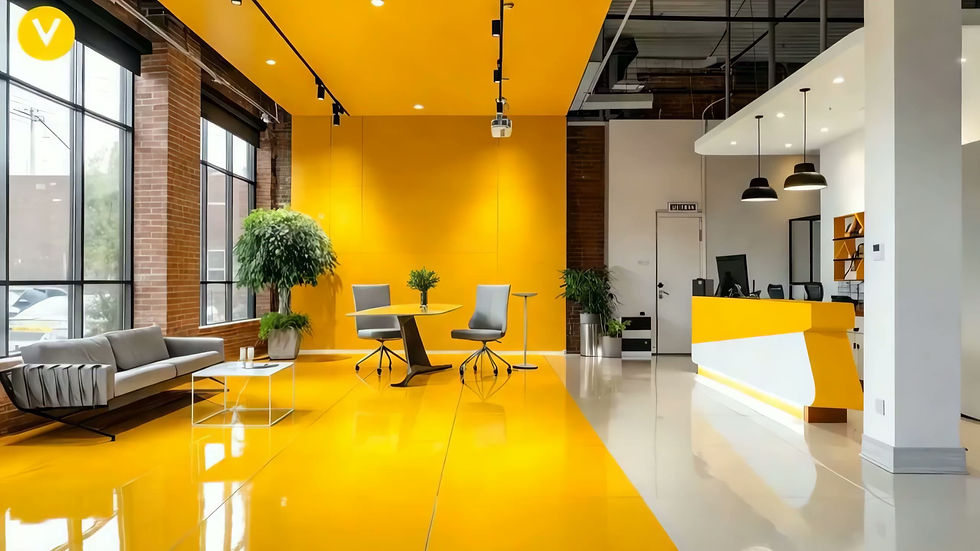
Heyo Smart designs smart office automation as part of office infrastructure rather than isolated technology added after construction. Thoughtful office automation systems align architecture, lighting, climate control, networking, security, access, audio, video, and operational workflows into coordinated office environments that support focus, comfort, operational consistency, and long-term performance.
Intelligent office environments respond automatically to occupancy, time of day, daylight conditions, room activity, and office operational states. This allows offices to function more naturally throughout the day while reducing unnecessary operational friction for employees and facility teams.
This approach supports comfort consistency across conference rooms, open office areas, executive offices, shared collaboration spaces, reception areas, and common spaces throughout the property. Automation behavior coordinates daylight-responsive lighting, occupancy-responsive operation, climate coordination, after-hours energy management, room scheduling, and simplified office control.
Conference room behavior operates as part of the larger automation framework. Lighting, shading, presentation systems, scheduling, occupancy response, and room conditions respond together rather than functioning independently. This helps meeting rooms feel ready, predictable, and easier to use.
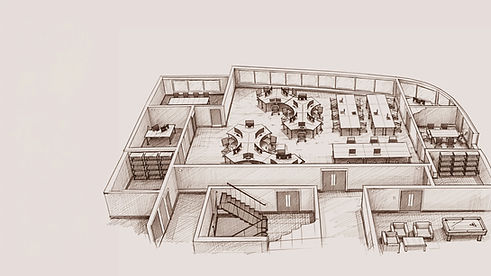
Each office automation project begins with structured system planning and documentation that defines how technologies should operate together before installation begins. This process supports structured office infrastructure, long-term serviceability, system adaptability, and coordinated operational planning across the office environment.
Detailed automation logic, infrastructure diagrams, and office environment coordination strategies help create spaces that remain easier to manage as business needs evolve. Smart office automation quietly supports focus, comfort, operational consistency, facility visibility, and long-term office performance without requiring constant interaction or management.

Heyo Smart: Designed for Long-Term Performance
Frequently Asked Questions
What Does Heyo S.M.A.R.T. Mean?
Heyo S.M.A.R.T. means Strategy Matters Above Reactive Technology.
It is Heyo Smart’s design first approach to home and building automation system design. Instead of choosing products, platforms, wiring, controls, and equipment after architecture, electrical, mechanical, and interior decisions are already fixed, the S.M.A.R.T. approach brings automation strategy into the project early.
Heyo Smart defines how lighting, climate, shading, audio, video, security, access, networking, energy, sensing, and daily behavior should work together before technology becomes part of the property.
This helps owners and project teams reduce disconnected technology decisions, avoid unnecessary complexity, support long-term reliability, and create environments that feel easier to live in, operate, service, and expand over time.
What Is the Difference Between Isolated Control Systems and Unified Automation?
Many properties contain multiple independent technology systems for lighting, climate control, audio, security, shading, and environmental management. Unified automation allows these systems to operate through coordinated operational logic rather than functioning as separate layers that require constant adjustment. Instead of focusing on individual controls, automation is designed around how the property should function throughout the day based on occupancy, schedules, environmental conditions, and overall building activity. This creates a more consistent, scalable, and easier-to-manage environment over time.
How Does Automation Design Support Long Term Property Operation?
Automation design helps define how lighting, climate control, security, audio, shading, networking, and operational systems should function together before installation begins. Coordinated planning supports long term reliability, future scalability, easier serviceability, and more consistent property operation as technologies and property needs evolve over time.
Why Is Operational Coordination Important in Automation Systems?
When systems are designed independently, properties often require multiple interfaces, repeated adjustments, and overlapping control layers. Operational coordination allows systems to respond together through shared automation behavior, helping environments function more naturally while reducing unnecessary complexity for occupants, guests, and staff.
Can Automation Support Both Residential and Commercial Properties?
Yes. The same automation principles used in residential environments can also support hospitality spaces, workplaces, multi-unit properties, and larger commercial environments. Coordinated automation architecture helps support occupant comfort, operational consistency, environmental response, and long term infrastructure management across different property types.
Does Automation Always Depend on Voice Control or Mobile Apps?
No. While voice assistants and mobile applications can be integrated when appropriate, well designed automation reduces the need for constant interaction by allowing systems to respond automatically to occupancy, environmental conditions, schedules, and building activity. The goal is to create environments that function naturally in the background rather than relying on continuous manual control.
When Should Home Automation Planning Start?
Home automation planning is most effective when it begins during the early design phase of a project. Coordinating wiring, control locations, and system infrastructure before construction allows automation to be integrated cleanly into the home. This is especially important for audio, entertainment, and home theater systems, which are often planned separately but benefit most when coordinated with the overall automation design. When included early, these systems can be aligned with lighting, shading, and environmental conditions instead of being treated as separate layers. Planning later can limit available options and may require adjustments to the space.
Why Is Home Automation Design Important Before Construction?
Home Automation design defines how lighting, climate, shading, and other systems will operate together before installation begins. When this is planned in advance, infrastructure can be aligned with the architecture and interior design, reducing unnecessary devices and avoiding costly changes later. This approach supports a more consistent and reliable system over time.
Can Home Automation Reduce Daily Interaction with the Home?
Yes. In a well-designed home automation system, many everyday functions respond automatically to time of day, occupancy, and environmental conditions. Lighting, comfort, and other systems adjust in the background, reducing the need for repeated manual input.
Over time, this creates a more consistent and easier living experience.
What If I Am Not Sure Where to Start With Home Automation?
It is common to begin without a clear direction. Home automation planning does not require technical knowledge at the start. The process typically begins by understanding how the home will be used and the kind of daily experience it should support. For those in the early stages of discovery, the Heyo Smart True Home and Building Automation Design Assistant and live guided virtual tours help clients across North America explore ideas, compare approaches, and understand what is possible before project decisions become fixed. This allows ideas and questions to be explored at a comfortable pace before moving into a structured design process when ready.